How to Store Salon Products Correctly for Best Results?

Time:2026-07-13 Author:Amelia
0%

Proper storage of salon products is crucial for maintaining their efficacy and longevity. According to recent industry studies, nearly 30% of salon products lose their effectiveness due to improper storage. This issue affects both salon owners and clients, as it can lead to wasted products and disappointing results. Understanding how to store salon products correctly can ensure that they remain safe and effective for use.

Many salon professionals overlook the importance of controlling environmental factors such as temperature and light exposure. For instance, hair dyes and serums can degrade when stored in excessive heat or sunlight. Regular audits of storage conditions can prevent significant losses. It's also worth noting that certain products may require refrigeration for optimal performance, yet many salons neglect this guideline.

In the fast-paced salon environment, the right storage solutions can often be forgotten. Reflecting on past experiences can lead to better practices. By implementing proper storage strategies, salons can not only enhance product performance but also foster trust with clients. Prioritizing this aspect of salon management is an essential step toward achieving excellence in service.
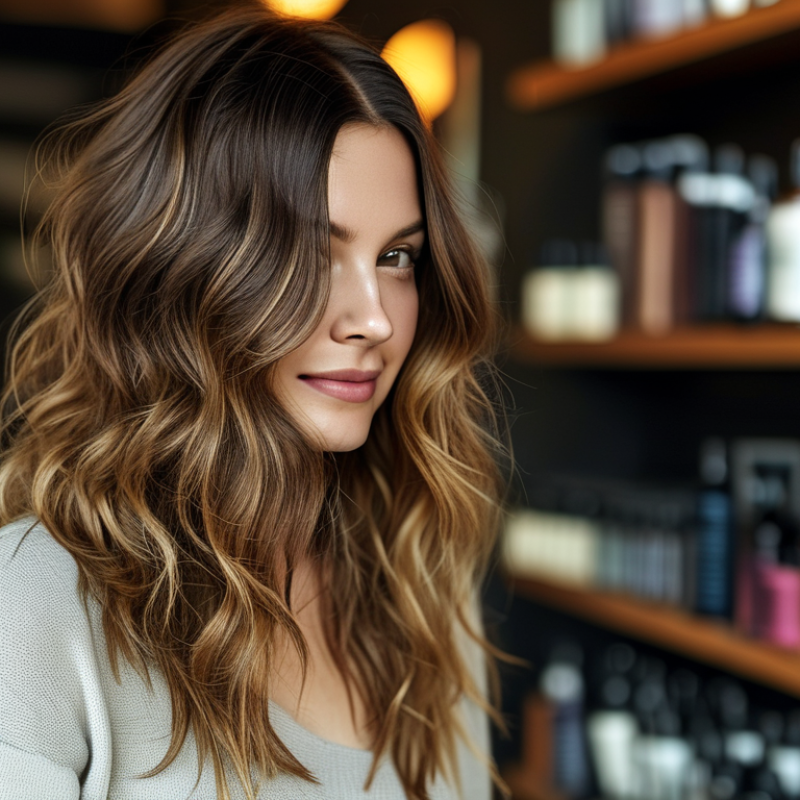
How to Store Salon Products Correctly for Best Results?

Understanding Different Salon Products and Their Storage Needs

Storing salon products correctly is essential for maintaining their efficacy. Different products have unique needs that must be considered. For instance, hair color should be kept in a cool, dark place. Exposure to light and heat can compromise its quality. Moisturizers, on the other hand, benefit from being stored at room temperature but should never freeze. This temperature shift can alter their texture and performance.

Many stylists neglect the importance of sealing containers tightly. An open container can let in air, leading to oxidation. This process diminishes the product's effectiveness over time. It's also important to store products upright. This simple practice can prevent spills and contamination. Using labels to mark products with their purchase date can help keep track of freshness.

In reality, proper storage can often be overlooked in busy salons. Staff may rush or become complacent about procedures. Taking a moment to check the storage conditions can prevent wastage. It also ensures that every treatment delivers the best results. Awareness of these details can make a significant difference in daily operations.

Choosing the Right Storage Location for Your Salon Products

Choosing the right storage location for your salon products is crucial. Light, moisture, and temperature can all impact product quality. Ideally, store products in a cool, dry place away from direct sunlight. UV rays can break down active ingredients. So, avoid windows and bright areas in your salon.

Cabinets with doors are a good choice. They provide protection from light and dust. Use labeled bins or containers to keep everything organized. This prevents confusion and helps in maintaining an efficient workflow. It’s important to regularly check the storage area. Look for any signs of product degradation. This can help you identify and address potential issues early.

Don’t forget about the humidity levels. High humidity can cause issues with certain products. Consider using a dehumidifier if your salon is prone to dampness. Regularly updating your storage solutions is essential. What worked last year may not be ideal now. Being proactive about your storage will lead to better product performance and happier clients.

Optimal Temperature and Humidity Conditions for Product Storage

The optimal storage conditions for salon products greatly influence their effectiveness and longevity. According to the Professional Beauty Association, many products perform best when stored between 60°F and 75°F (15°C and 24°C). Temperatures outside this range can degrade active ingredients. Heat can cause emulsions to separate, while cold environments may result in solidification or inconsistencies in performance.

Humidity is equally vital. Products should ideally be kept in a relative humidity range of 30% to 50%. High humidity can promote microbial growth, leading to spoilage. Low humidity may dry out creams and lotions, impacting their texture and usability. Lab studies have shown that products stored under incorrect humidity conditions can lose up to 30% of their intended efficacy over time.

It's important not to overlook light exposure, as UV rays can also alter product formulations. Dark, cool storage spaces are recommended. Users might find it tempting to store products in bathrooms, but the fluctuating temperatures can lead to issues down the line. Regular checks and organization can aid in maintaining the right environment for these essential salon products.

Best Practices for Labeling and Organizing Salon Products

Organizing salon products effectively is crucial for any beauty professional. Begin by labeling all items clearly. Use strong, waterproof labels that can withstand spills and moisture. Categorize products based on their function, such as hair care, skincare, or nails. This reduces the time spent searching for items during busy appointments.


Consider using transparent bins or drawers for storage. When you can see the products easily, it speeds up your workflow. Arrange items by frequency of use. Frequently used products should be easily accessible. Place less-used products at the back or higher up.


Regularly review and declutter your inventory. Old or expired items can take up precious space. Keep an eye on expiration dates and rotate stock accordingly. While it’s great to have a variety of products, a cluttered space can lead to confusion and waste, impacting your service quality. Reflect on your organization methods consistently to find areas for improvement.

Regularly Checking Expiry Dates and Product Conditions

Regularly checking expiry dates and product conditions is crucial for any salon. Many stylists overlook this step, assuming that products are fine as long as they look good. However, expired products can lead to ineffective results and even adverse reactions. A simple check can prevent these issues.

It’s essential to create a routine for checking products. Make it a monthly habit to review expiry dates. Look for any signs of separation or changes in texture. These details matter. If a product has a strange smell or color, it’s time to discard it. Trust your senses; they often provide valuable insights into quality.

Educating staff about expiry dates and product conditions is equally important. Discussing the impact of expired products can create awareness. Sometimes, team members might not recognize the signs of a deteriorating product. Encouraging everyone to voice their observations fosters a proactive environment. Regular discussions about product quality are beneficial. They can lead to better inventory management and enhance client satisfaction.

How to Store Salon Products Correctly for Best Results?

This chart illustrates the recommended storage durations for various salon products. Proper storage can enhance product efficacy and extend usability, emphasizing the importance of regular checks for expiry dates and conditions.

FAQS

: Why is storing salon products correctly important?

: Proper storage ensures product efficacy. Different products have specific needs that should not be overlooked.

What is the ideal storage condition for hair color?

Hair color should be kept in a cool, dark place. Exposure to light and heat can compromise its quality.

How should moisturizers be stored?

Moisturizers work best at room temperature, but they should never freeze. Temperature shifts can affect their performance.

What happens if containers are not sealed tightly?

Open containers allow air to enter, leading to oxidation. This process reduces product effectiveness over time.

Why is labeling products with purchase dates helpful?

Labels help track product freshness. Knowing the purchase date aids in ensuring product quality for clients.

How can humidity affect salon products?

High humidity can damage certain products. Consider using a dehumidifier if your salon is prone to damp conditions.

Why is it necessary to check expiry dates regularly?

Expired products can lead to ineffective results or adverse reactions. A monthly check can help avoid these issues.

What should I do if a product changes texture or smell?

If you notice changes in texture or smell, it’s best to discard the product. Trust your senses; they matter.

How can I ensure staff are aware of product conditions?

Educate staff on the importance of checking expiry dates. Regular discussions can create awareness about product quality.

What should I consider when choosing a storage location?

Store products in a cool, dry area away from direct sunlight. This helps preserve their active ingredients.

Conclusion

Proper storage of salon products is crucial for maintaining their efficacy and longevity. Understanding different salon products and their specific storage needs is the first step in this process. Choosing an appropriate location—such as a cool, dry place free from direct sunlight—ensures that the products remain stable. Additionally, optimal temperature and humidity conditions play a vital role in preserving product quality, making it important to monitor these factors regularly.

Best practices for labeling and organizing salon products enhance efficiency and prevent mix-ups. It's also essential to routinely check expiry dates and the physical condition of products to avoid using items that may have deteriorated. By following these guidelines on how to store salon products correctly, salon professionals can ensure their products deliver the best results for their clients.

Amelia

Amelia

Amelia is a seasoned marketing professional with a wealth of expertise in our company’s core offerings. With an unwavering passion for driving growth and innovation, she plays a pivotal role in shaping our marketing strategies and enhancing brand visibility. A key aspect of her responsibilities......