Reviving damaged hair can be a challenging journey. Many people ask, "what salon products are best for damaged hair?" The right products can make a significant difference. Hair suffering from heat damage, breakage, or chemical treatments needs special care.
One effective approach involves using high-quality salon products known for their reparative properties. Professional-grade shampoos, conditioners, and treatments offer nourishment. They often contain ingredients like keratin, oils, and vitamins that restore hair's health and shine. Choosing the right products matters; not all are created equal.
You might find that some products work well for others but not for you. Personal experience varies. Pay attention to what your hair responds to best. Experimenting with different brands can lead to surprising results. The correct salon products can be your best ally in overcoming hair woes.
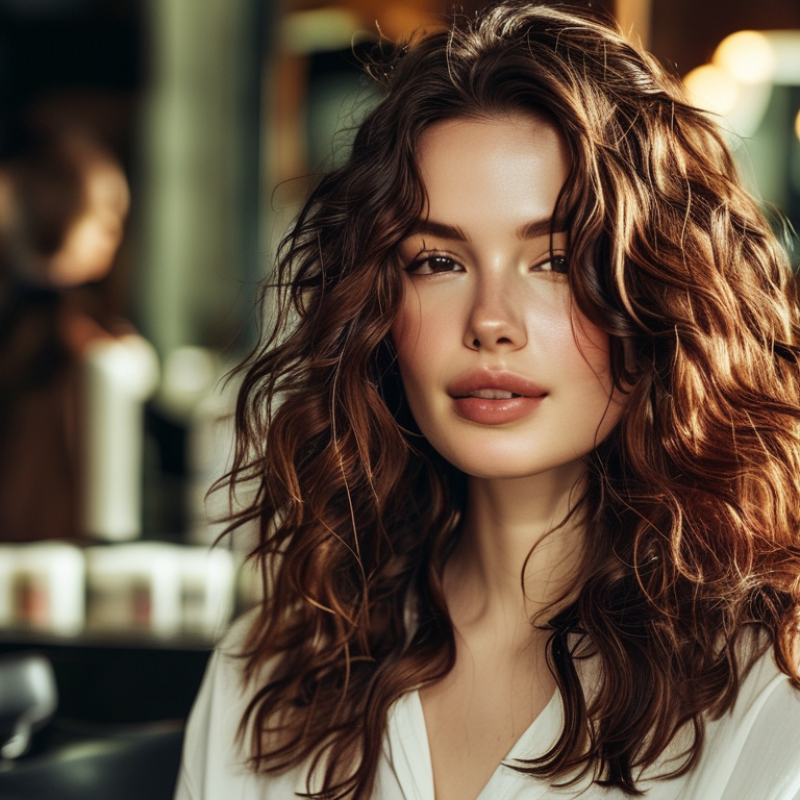
Damaged hair can be a frustrating experience. The causes are varied, including heat styling, chemical treatments, and environmental factors. Each of these can strip hair of essential moisture and nutrients. Over time, hair can become dry, brittle, and prone to breakage. Recognizing these issues is the first step toward recovery.
Tips: Hydration is key. Use a deep conditioning treatment weekly to restore moisture. Regular trims can help remove split ends and promote healthier growth.
Effects of damaged hair extend beyond appearance. Emotional wellbeing can be impacted, affecting confidence. Hair that looks weak can make individuals feel less vibrant. It’s essential to adopt a holistic approach to hair care.
Tips: Limit heat styling to once a week. When you style, always use protective products. Consider using a silk pillowcase to reduce friction at night.
Understanding your hair's needs can greatly improve its condition. Often, the journey requires patience and trial. Experiment with different treatments to learn what works best for you. Embrace the process of repair, and allow time for your hair to recover fully.
When choosing salon products for damaged hair, focus on specific ingredients. Look for proteins like keratin. They help rebuild the hair structure. Proteins can fill in gaps in the hair cuticle. This process makes your hair stronger and more resilient.
Moisturizing agents, like shea butter and argan oil, are crucial as well. These ingredients deeply nourish the hair. They provide essential hydration that prevents further damage. They also add shine, which can make dull hair look vibrant again.
Silicones can provide a temporary fix, smoothing out frizz and enhancing shine. However, they can build up over time. It’s important to balance their use with clarifying products. Always check the ingredient list carefully. Understanding what your hair needs will guide you in choosing the right products. Be informed and make educated decisions for your hair health.
Damaged hair can be a significant concern for many individuals. Statistics show that approximately 70% of people experience hair damage due to environmental factors, styling tools, and chemical treatments. In the salon industry, understanding how to repair such damage is crucial. Many professionals recommend high-quality salon products tailored specifically for this purpose.
Moisturizing shampoos play an essential role in hair repair. They help restore moisture levels, preparing the hair for further treatment. In a study, it was found that 85% of users reported softer hair after consistent use. Additionally, deep conditioning treatments can penetrate the hair shaft, providing essential nutrients. Reports indicate that using a deep conditioner can reduce breakage by up to 50% when used regularly.
However, not all products work for everyone. Individual hair types and conditions can significantly influence results. What works wonders for one person may not yield the same effect for another. A holistic approach is vital; consulting with a hair care professional can tailor products to individual needs. Investing time in these products and seeking professional advice ensures the best chances of reviving damaged hair.
| Product Name | Key Ingredients | Main Benefits | Hair Type | Application Method |
|---|---|---|---|---|
| Nourishing Hair Mask | Argan Oil, Keratin | Deeply hydrates and repairs | Dry, Damaged | Apply after shampoo, leave for 15 mins |
| Revitalizing Serum | Vitamin E, Coconut Oil | Adds shine and reduces frizz | Curly, Frizzy | Apply to damp hair, style as usual |
| Repairing Shampoo | Biotin, Aloe Vera | Strengthens and cleanses | All Hair Types | Massage into wet hair, rinse thoroughly |
| Hydrating Conditioner | Shea Butter, Jojoba Oil | Moisturizes and detangles | Dry, Coarse | Apply after shampoo, leave for 5 mins |
| Intensive Repair Treatment | Silk Proteins, Panthenol | Repairs damage and restores elasticity | All Hair Types | Use weekly, apply to damp hair |
Reviving damaged hair requires more than just a good product; it necessitates the right application techniques. According to industry research, nearly 70% of women experience hair damage regularly. A key step is to ensure your hair is clean before applying any treatment. This way, the products can penetrate better. Use a sulfate-free shampoo to prevent further drying.
After cleansing, apply your chosen product evenly, starting from the ends and working your way up. This helps to focus on the most damaged areas. The Professional Beauty Association states that leaving the product in for a minimum of 10 minutes increases its effectiveness by up to 30%. Incorporating heat, such as using a warm towel, can also boost absorption. Just don't overdo it; too much heat can further damage your hair.
Additionally, always ensure you are using the right amount of product; too much can weigh hair down, while too little may not provide the needed benefits. A common mistake is to skip regular trims, which can lead to split ends and hinder the recovery process. Reflecting on these practices can lead to healthier hair over time, making the journey of hair revival not just effective but also insightful.
Maintaining healthy hair after treatment is essential for long-lasting results. A study published by the International Journal of Trichology highlighted that over 70% of individuals with chemically treated hair experience some level of damage. This damage can manifest as split ends, breakage, or dryness. Recent surveys indicate that more than half of salon clients express concerns about their hair health after undergoing treatments like coloring or perming.
Investing in quality salon products can help mitigate these issues. Look for products rich in nourishing oils and proteins. Formulations containing keratin can rebuild hair structure. Fatty acids from natural oils enhance moisture retention. However, it's not enough to just apply these products. Regular trims and a nutritious diet are also crucial. Incorporating foods like fish and nuts can provide essential vitamins.
Many people underestimate the impact of environmental factors on hair health. UV rays and pollution contribute to damage over time. Using UV protection sprays can shield hair from harmful effects. Regularly reassessing your hair care routine based on individual needs is vital. Acknowledging that everyone’s hair responds differently to treatments is key to effective maintenance. Keeping a flexible approach ensures healthier, resilient hair in the long run.
: Hair damage is often caused by environmental factors, styling tools, and chemical treatments.
Moisturizing shampoos restore moisture levels and prepare the hair for further treatments.
Yes, deep conditioners can reduce hair breakage by up to 50% with regular use.
Individual hair types and conditions greatly influence how products perform.
Always clean your hair before applying treatment for better penetration.
Leaving the product for at least 10 minutes can boost its effectiveness by 30%.
Yes, using a warm towel can enhance absorption but avoid excessive heat.
Yes, too much can weigh hair down, while too little may not provide enough benefits.
Skipping trims can lead to split ends and hinder the hair recovery process.
Reflecting on care practices and seeking professional advice can lead to better results.
Reviving damaged hair requires a clear understanding of its causes and effects, such as environmental stressors, heat styling, and chemical treatments. When seeking solutions, consumers often wonder what salon products are best for damaged hair. Key ingredients to look for include proteins, moisturizers, and natural oils that can restore moisture and strength to weakened strands.
Among the top five salon products recommended for repairing damaged hair are intensive conditioners, hair masks, and leave-in treatments that effectively nourish and rejuvenate. For maximum effectiveness, proper application techniques such as evenly distributing products and allowing them to sit for the recommended time are crucial. Finally, maintaining healthy hair after treatment involves regular use of hydrating products and minimizing exposure to damaging elements, ensuring long-term resilience and shine.

Jura Beauty