The professional salon industry is experiencing a profound transition. Once dominated by standard mass-market emulsions, today's salons demands high-performance, structurally restorative hair care solutions. As global consumer demand shifts towards scalp-centric formulations, botanical alternatives, and long-term cuticle restoration, salons require specialized manufacturers that can produce salon-grade conditioners at scale while maintaining rigorous standards of purity and efficacy.
From a commercial standpoint, wholesale sourcing of salon conditioners from China has become a cornerstone strategy for leading distributors, retail brands, and premium salon networks. China's advanced chemical manufacturing infrastructure, combined with integrated raw material supply chains, offers unparalleled speed-to-market and pricing efficiency. Brands that successfully navigate this environment do so by selecting partners that offer not just manufacturing volume, but profound formulation expertise, stringent testing practices, and regulatory alignment with major international beauty frameworks (such as US FDA, EU Regulation EC 1223/2009, and China's CSAR).
💡 Key Industrial Takeaway: Modern professional hair care has graduated from temporary cosmetic masking (coating hair in heavy silicones) to biomimetic structural repair (restoring disulfides, replenishment of 18-MEA, and targeted peptide deposition). Formulators must leverage advanced chemical processing to balance high efficacy with consumer safety.
Certified Facility
International Standard
OEM/ODM Customization
Export Compliance
A professional-grade conditioner is fundamentally different from a consumer-grade supermarket product. Salons require immediate, noticeable results—enhanced combability, cuticle smoothing, intense shine, and substantial structural weight without buildup. To achieve this, modern chemistry utilizes several sophisticated techniques:
Unlike shampoos that rely on anionic cleaning agents, professional conditioners utilize cationic compounds such as Behentrimonium Chloride and Cetrimonium Chloride. These carry a positive charge that binds to the negatively charged damaged sites of the hair cuticle, reducing static electricity and aligning the cuticular scales.
Chemical treatments, heat styling, and environmental oxidation strip the hair of its native proteins. Hydrolyzed keratin, wheat proteins, and silk amino acids are broken down into specific molecular weights to penetrate the hair cortex, filling structural voids and strengthening the tensile profile of the hair shaft.
While Dimethicone and Amodimethicone remain industry benchmarks for thermal protection and high gloss, the trend toward clean beauty demands bio-based silicone alternatives. Ingredients like Coco-Caprylate/Caprate and Hemisqualane deliver comparable slip and optical shine without environmental accumulation or buildup.
Global beauty markets are highly heterogeneous. A formulation that achieves wild commercial success in one region may fail in another due to regional variations in hair texture, water quality, and local styling routines. Professional brands must adopt localized product lines:
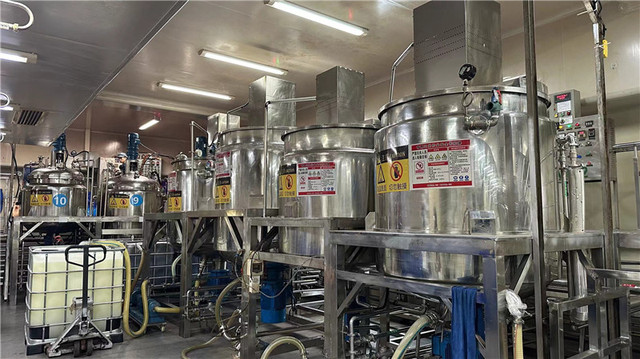
Translating an innovative laboratory formulation into a multi-ton industrial batch requires precise thermodynamic control. The production pipeline follows a structured, audited sequence:
Phase 1: Phase Dispersion. The oil phase (wax, fatty alcohols, natural oils) and water phase (deionized water, glycerin, water-soluble conditioning polymers) are heated independently in separate vessels to approximately 75°C to 80°C. Exact temperature alignment is critical to ensure homogeneous blending.
Phase 2: Emulsification. The two phases are introduced into a vacuum emulsifying mixer. Under high-shear homogenization (often ranging between 3000 to 3600 RPM), the oil is broken down into micro-droplets, creating a stable, uniform emulsion matrix. The vacuum environment prevents air bubbles, guaranteeing a smooth and glossy product texture.
Phase 3: Controlled Cooling & Active Incorporation. The emulsion is slowly cooled down under gentle agitation. Once the temperature drops below 40°C, volatile and heat-sensitive active ingredients—such as vitamins, essential oils, preservatives, proteins, and fragrances—are incorporated into the batch to avoid thermal degradation.
Phase 4: Rheological and Microbiological Analysis. Every batch is tested for pH, viscosity (using Brookfield viscometers), centrifuge stability, thermal stability, and microbial purity. Only after passing these QA gates does the product proceed to automated filling lines.
Ningbo Jura Beauty Co., Ltd. is a professional salon products manufacturer specializing in the development, production, and supply of hair care, beauty care, and spa solutions for global salon brands, distributors, retailers, and private label partners. The company is committed to providing reliable manufacturing services and comprehensive product solutions that support the evolving needs of the professional beauty industry.
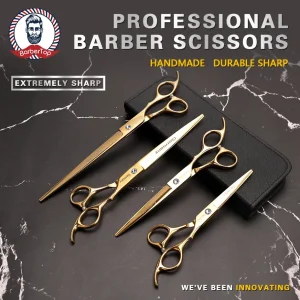
The company's product portfolio covers a wide range of professional salon products, including hair care treatments, shampoos, conditioners, hair styling products, scalp care solutions, hair repair treatments, salon coloring support products, beauty care formulations, spa products, and salon consumables. Designed for professional and commercial applications, these products are developed to meet the performance, consistency, and quality expectations of salons, beauty centers, and wellness businesses.
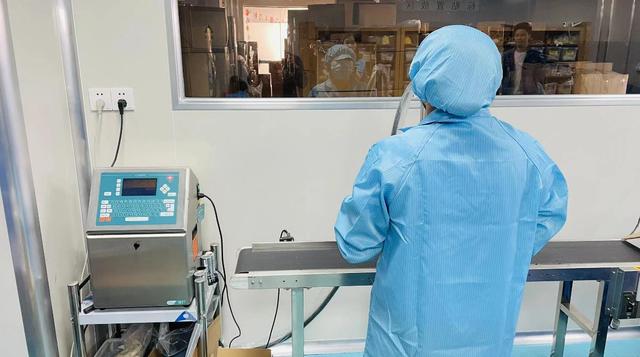
Ningbo Jura Beauty Co., Ltd. operates modern manufacturing facilities and follows strict quality control procedures throughout raw material sourcing, formulation development, production, packaging, and final inspection. The company focuses on maintaining product consistency, production efficiency, and compliance with international quality standards to support customers in diverse markets.
In addition to its standard product range, the company offers flexible OEM and ODM services tailored to customer requirements. Clients can customize formulations, packaging designs, branding elements, product specifications, and labeling solutions according to their target markets and business objectives. From product development and sample evaluation to large-scale manufacturing and export support, the company provides end-to-end solutions for salon and beauty product brands. With an emphasis on innovation, quality assurance, and long-term cooperation, Ningbo Jura Beauty Co., Ltd. continues to supply professional salon products that help customers expand their presence in the global hair care, beauty, and spa industries.
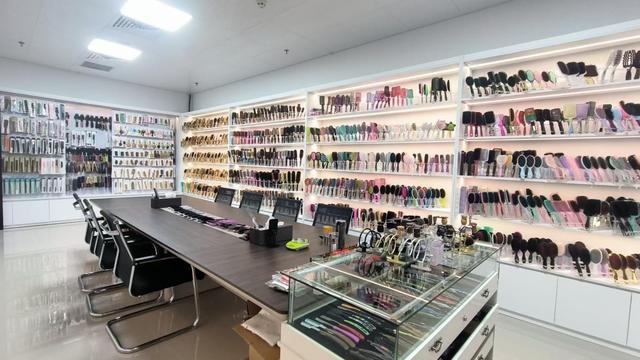
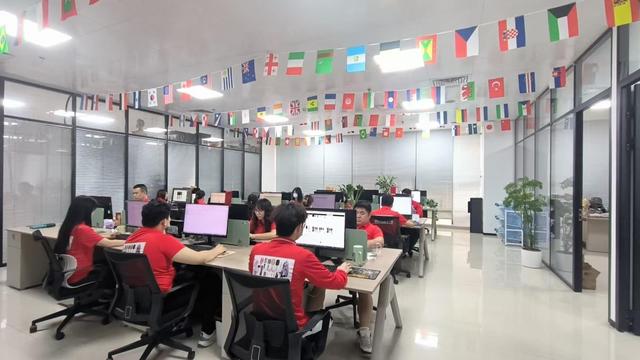
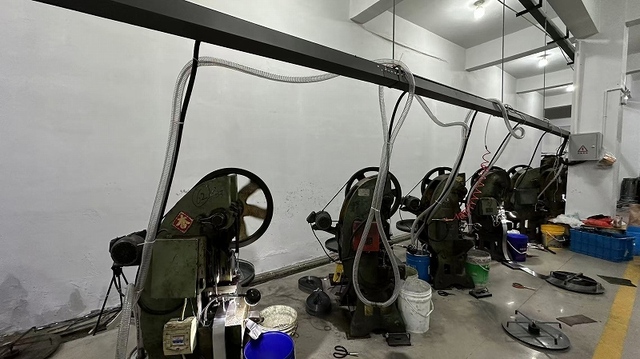
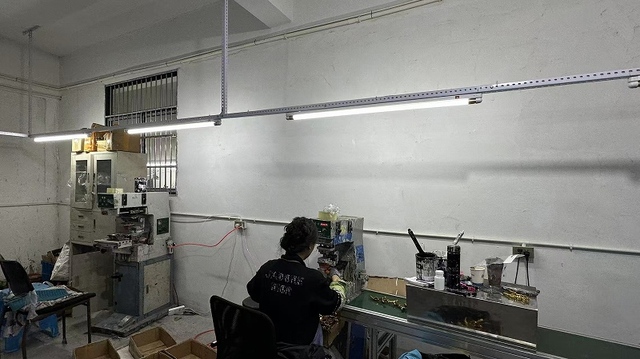
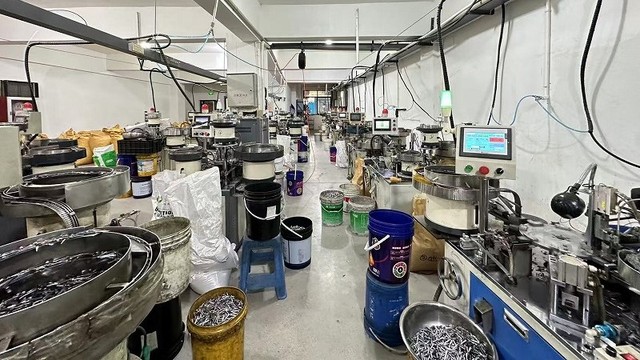
Scaling a global cosmetics brand requires more than just high-quality formulas. It demands systematic supply chain management, minimized lead times, and forward-thinking sustainability protocols. As a leading manufacturer, we provide dynamic, macro-level business solutions to optimize client operations:
Instead of managing multiple suppliers for packaging, formulations, and logistics, our end-to-end service integrates the entire lifecycle. We source raw ingredients under GMPC standards and manage final shipping documentation directly from our primary port facilities, reducing overhead cost and lead time.
Consumer pressure and regulatory policies demand eco-friendly alternatives. We provide Post-Consumer Recycled (PCR) plastics, biodegradable tubes, and ocean-bound plastic options. We also formulate waterless, solid conditioning bars to support carbon-neutral brand initiatives.
Cosmetic regulatory filings can delay product launches by months. We provide comprehensive technical dossiers, safety assessments (COA, MSDS), and clinical test data to expedite registration in the EU (CPNP), US (FDA MoCRA), and other regional regulatory frameworks.
What is the standard Minimum Order Quantity (MOQ) for custom salon conditioners?
MOQ varies depending on formulation customization and packaging. Standard OEM formulas in stock bottles generally start at 3,000 units. For fully customized formulations or proprietary packaging molds, the MOQ typically ranges from 5,000 to 10,000 units. Smaller trial batches are negotiable during initial R&D phases.
How does Ningbo Jura Beauty guarantee GMPC/ISO compliance?
Our manufacturing facilities are regularly audited by third-party certification bodies to ensure complete adherence to ISO 22716 and GMPC guidelines. Every step of our production process, from water purification (reverse osmosis) and air filtration (HEPA filters in packaging zones) to raw material tracking, is documented under strict QA protocols.
Are your formulations silicone-free, sulfate-free, and vegan?
Yes, we specialize in green chemistry. We offer specialized ODM formulations that substitute synthetic silicones with biodegradable natural plant lipids, replace traditional sulfates with mild taurate or sulfosuccinate surfactants, and ensure 100% vegan compliance without animal-derived keratins.
Can you match an existing salon conditioner formula?
Yes, our R&D lab provides professional reverse engineering services. By analyzing a benchmark sample, we can replicate its physical characteristics, viscosity, texture, performance profile, and primary active ingredient concentrations while optimizing manufacturing efficiency and material cost.
What is the typical lead time for a complete OEM/ODM production run?
Once sample formulations and final packaging artwork are approved, production takes approximately 25 to 35 business days. This timeframe covers compound formulation, quality stability testing, high-speed automated packaging, carton packing, and pre-shipment inspections.
 Jura Beauty