Jura Beauty
1 / 5
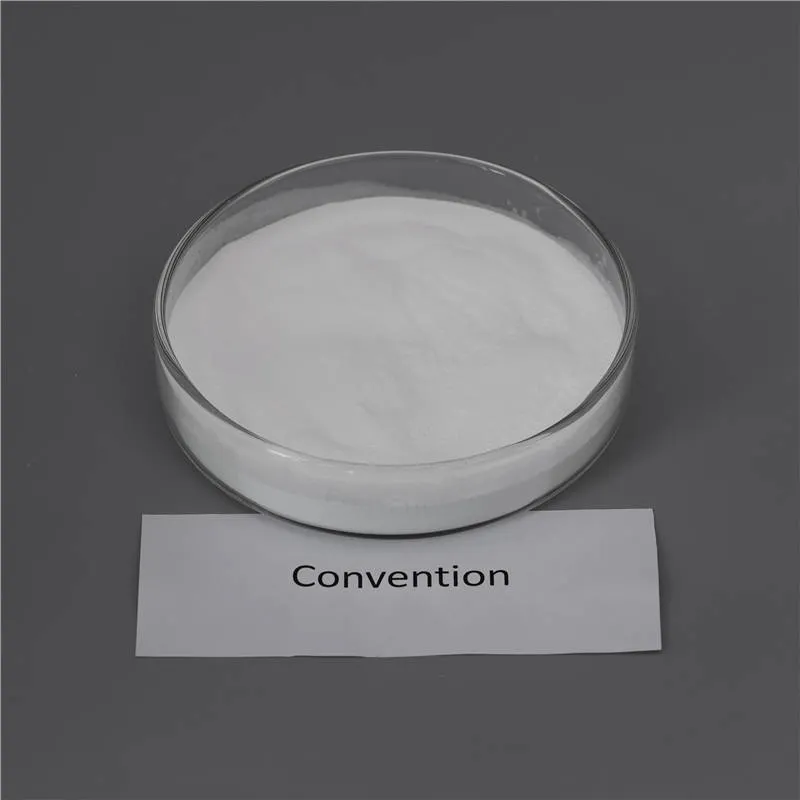
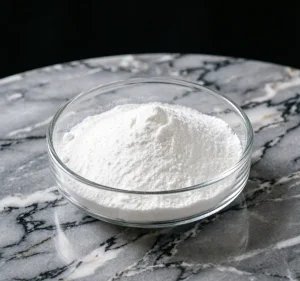
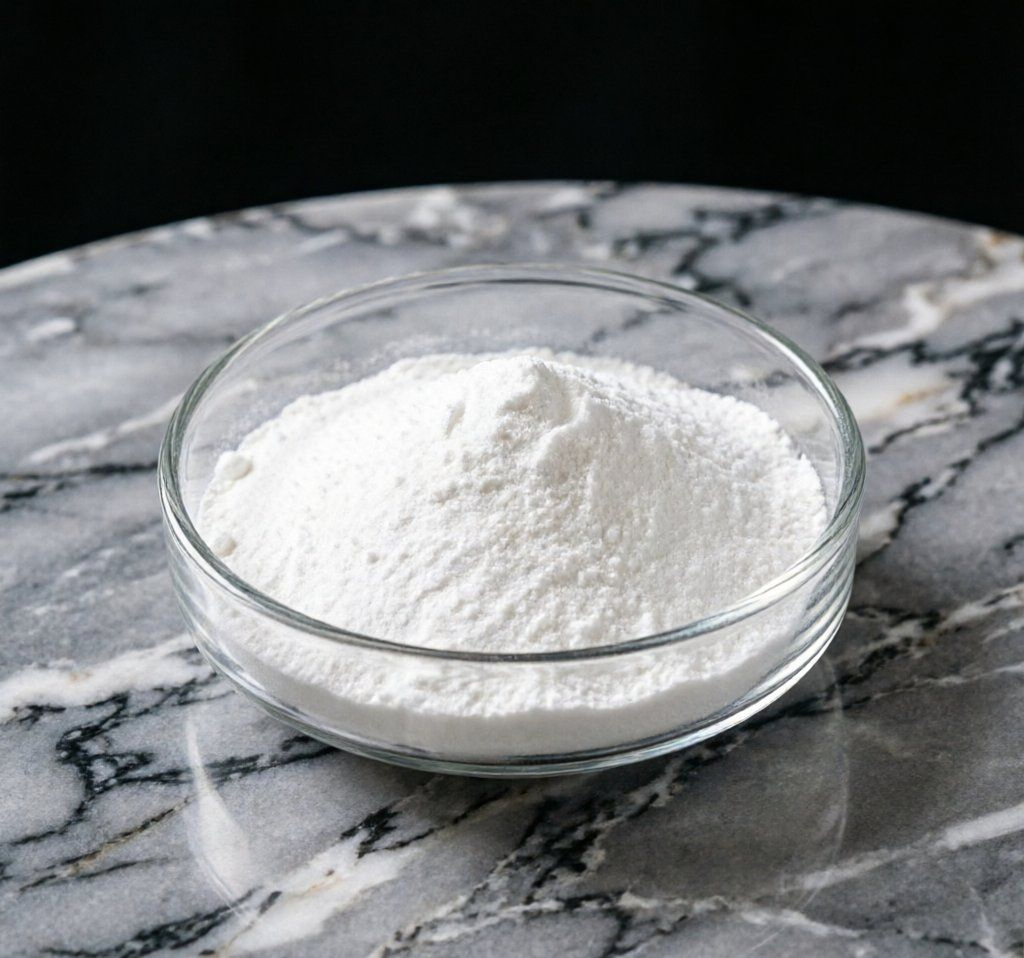
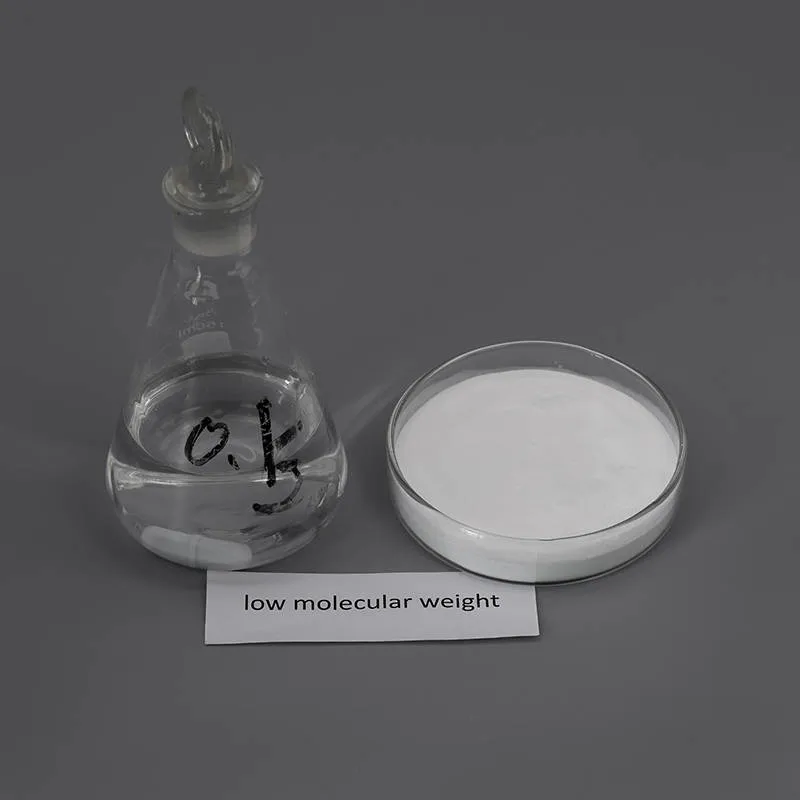
Injection grade sodium hyaluronate powder is used primarily in various non-enteric preparations such as intra-articular, intra-ocular, and intradermal injections due to its excellent lubricity, viscoelasticity, and its biocompatibility. Injectable grade sodium hyaluronate powder is important in the medical and cosmetic fields because of its ability to provide lubrication, repair damaged tissue, inhibit inflammation and relieve pain.
Sodium Hyaluronate is the sodium salt of hyaluronic acid (HA), also known as hyaluronan, a glycosaminoglycan consisting of D-glucuronic acid and N-acetyl-D-glucosamine disaccharide units. HA is one of several glycosaminoglycan components of the extracellular matrix of connective tissue. HA is a naturally occurring biopolymer involved in numerous biological processes including tissue hydration and structural scaffolding. HA is increasingly used as a reagent and investigated in bioengineering applications. Its use as a reagent includes hydrogels for use in aesthetics, ophthalmology, rheumatology, urology, wound healing, and 3D bioprinting.
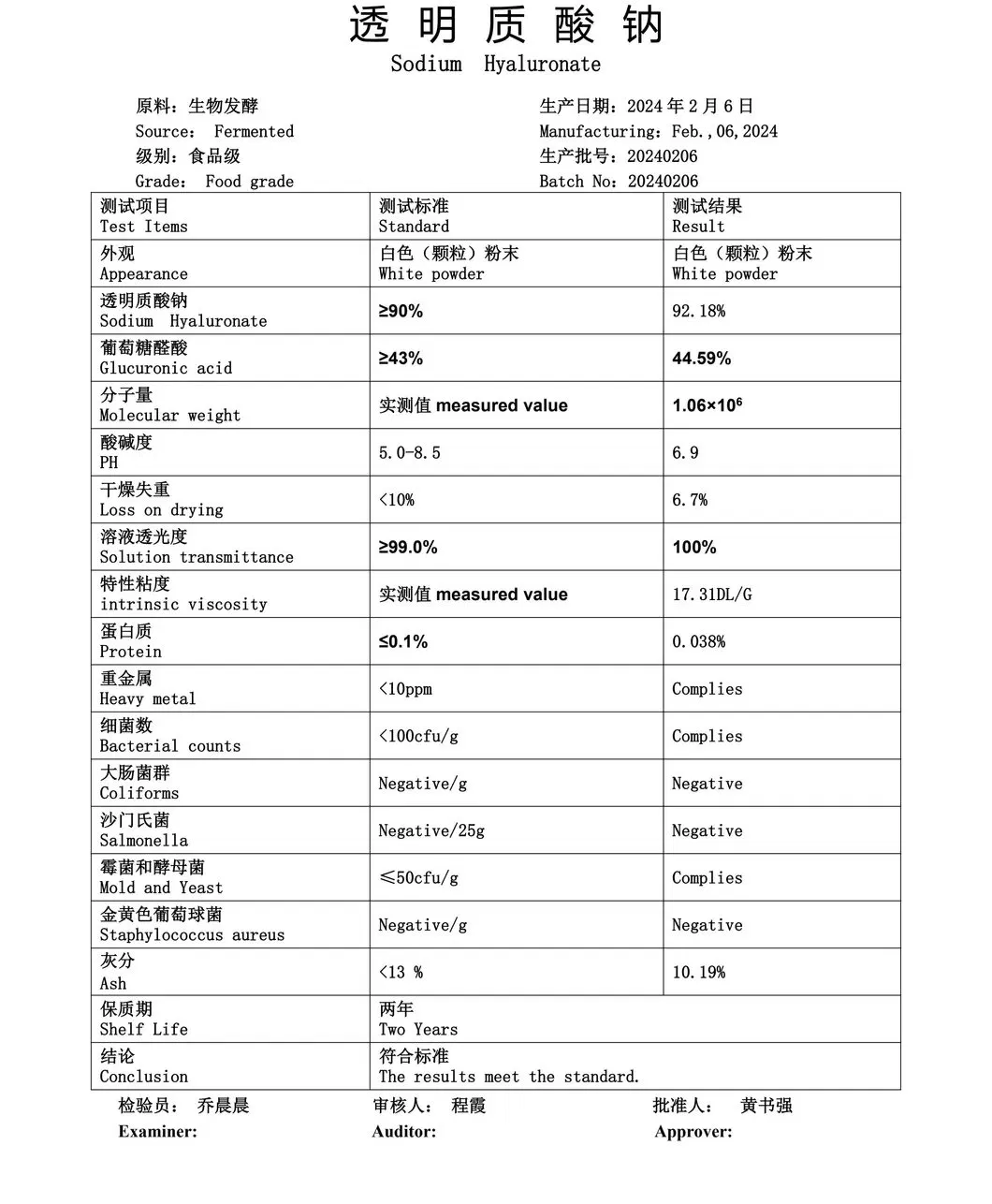
| Product Name | Hyaluronic Acid powder | Molecular | 0.2-1.4×10^6 |
| Synonyms Name | Sodium Hyaluronate | Protein | 0.1% max |
| Model No. | Cosmetic grade, Food grade, Injection grade | Loss on Drying | 10.0% max |
| Appearance | White powder | PH | 6.0 - 7.5 |
| Glucuronic Acid | 42.0% min | Heavy Metals | 20.0ppm max |
| Hyaluronate | 95.0% min | Total plate count | 1000 cfu/g |
| Transparency (in 0.1% Solution) | 98.0% min | Mold and Yeast | 100cfu/g |
| Conclusion | The product meets the testing requirements by inspection. | ||
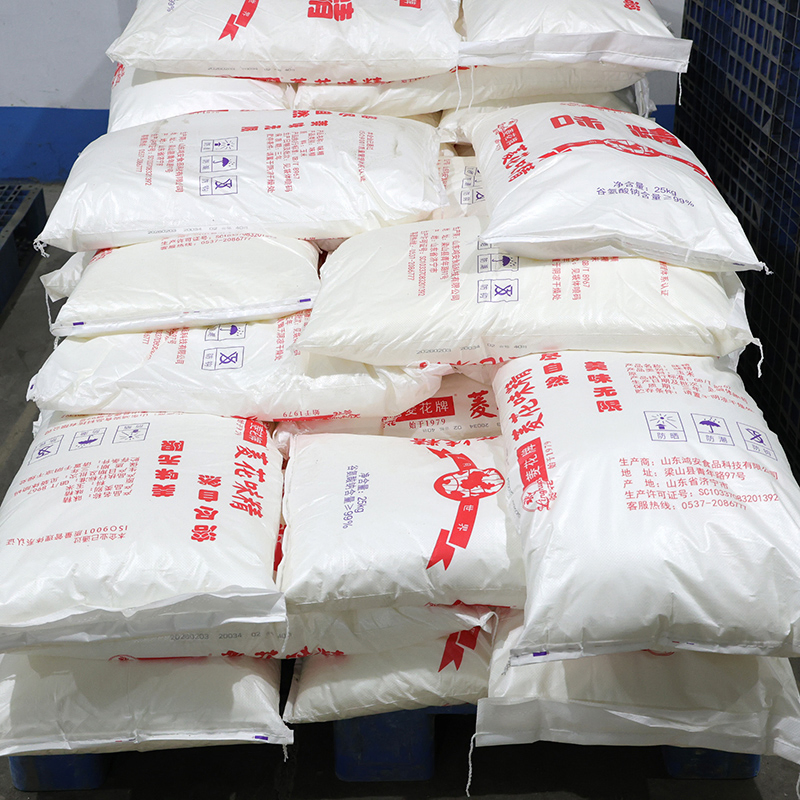
| Packing | Double food grade plastic-bag inside, aluminum foil bag or fiber drum outside. | ||
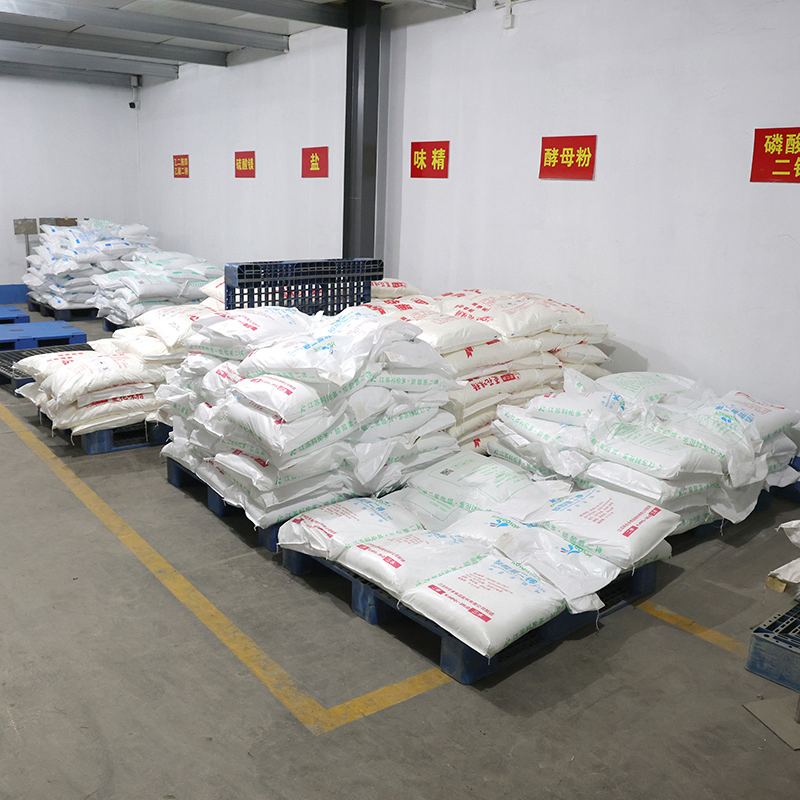
| Storage | Stored in cool and dry places. Keep away from strong light and heat. | ||
| Shelf Life | 24 months under the above condition. | ||
| Item | Specification | Result |
|---|---|---|
| Physical & Chemical Test | ||
| Appearance | White or almost white powder or granules | Complies |
| Infrared absorption | Positive | Complies |
| Reaction of sodium | Positive | Complies |
| Absorbance | ≤0.25 | 0.08 |
| Transparency | ≥99.0% | 100.0% |
| PH | 6.0~7.5 | 6.5 |
| Intrinsic viscosity | ≥22.40 dL/g | 22.66 dL/g |
| Molecular weight | ≥1.40×10^6 Da | 1.42×10^6 Da |
| Kinematic viscosity | Actual value | 52.57 mm²/s |
| Purity Test | ||
| Loss on drying | ≤10% | 9.34% |
| Residue on ignition | ≤20% | 18.85% |
| Heavy metals | ≤20ppm | <20ppm |
| Arsenic | ≤2ppm | <2ppm |
| Protein | ≤0.1% | 0.03% |
| Assay | 95.0%~105.0% | 96.6% |
| Glucuronic acid | 46.0%~51.0% | 46.7% |
| Microbiological Purity | ||
| Total bacterial count | ≤100CFU/g | <10CFU/g |
| Yeasts & mold | ≤20CFU/g | <10CFU/g |
| E.coli | Negative | Negative |
| Staph | Negative | Negative |
| Pseudomonas aeruginosa | Negative | Negative |
| Conclusion: This product complies with the standard of QB/T 4416-2012. | ||
Sodium hyaluronate is usually used for anti-aging and moisturizing because of its ability to improve firmness levels, smooth out fine lines, and hydrate the skin. You can find sodium hyaluronate in many products, including serums and moisturizers. It is also possible to take it as an oral supplement.

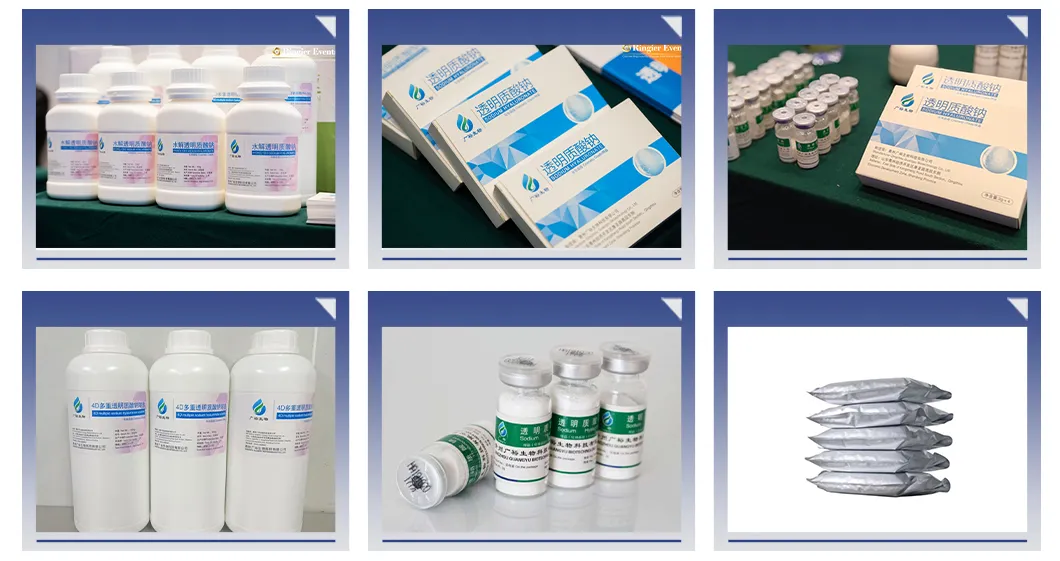

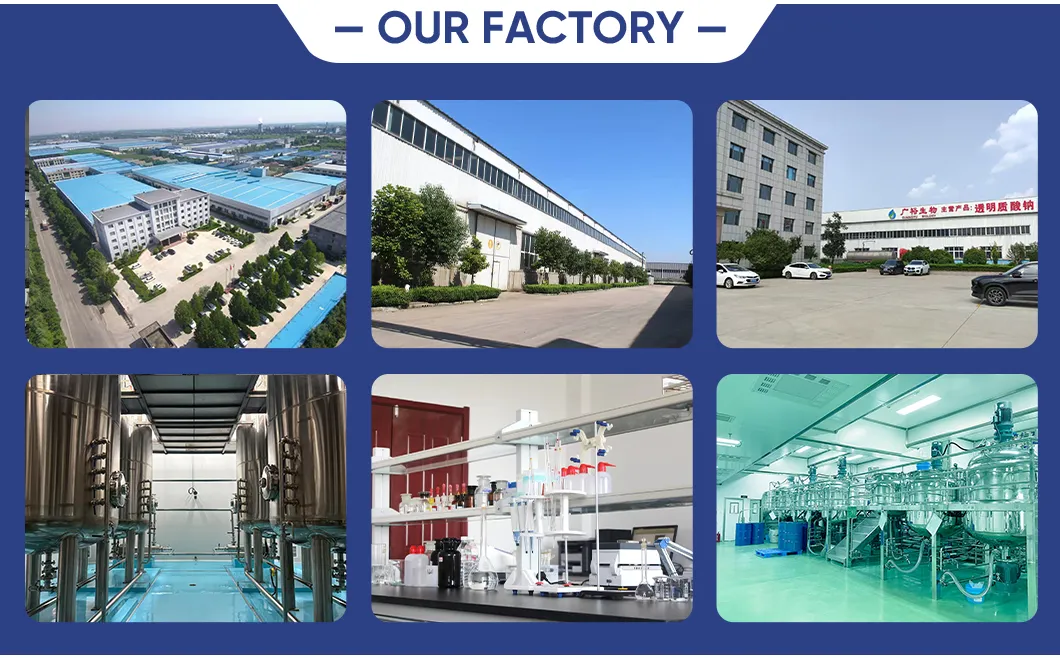
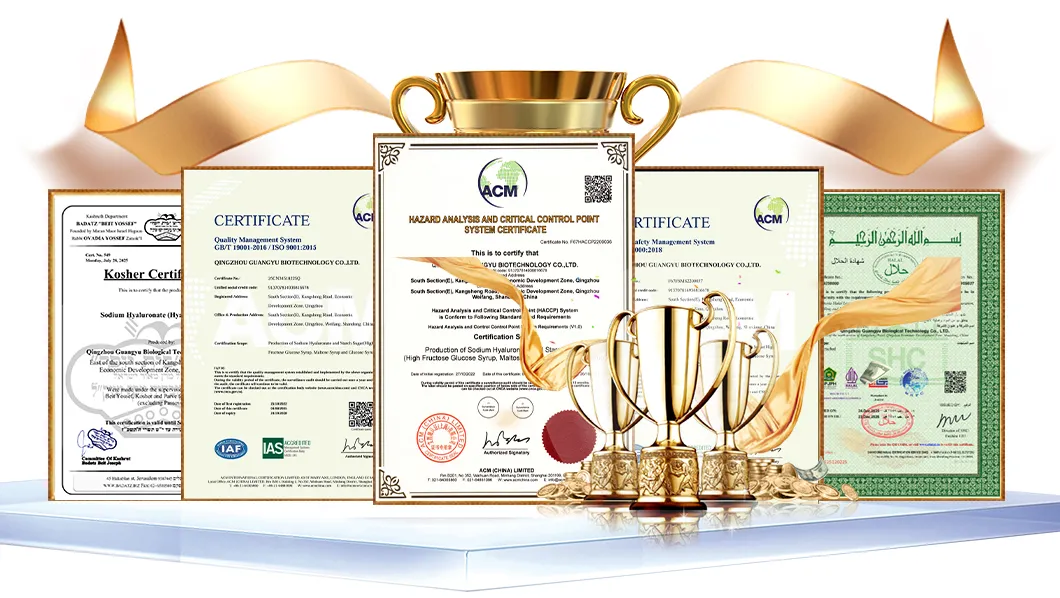
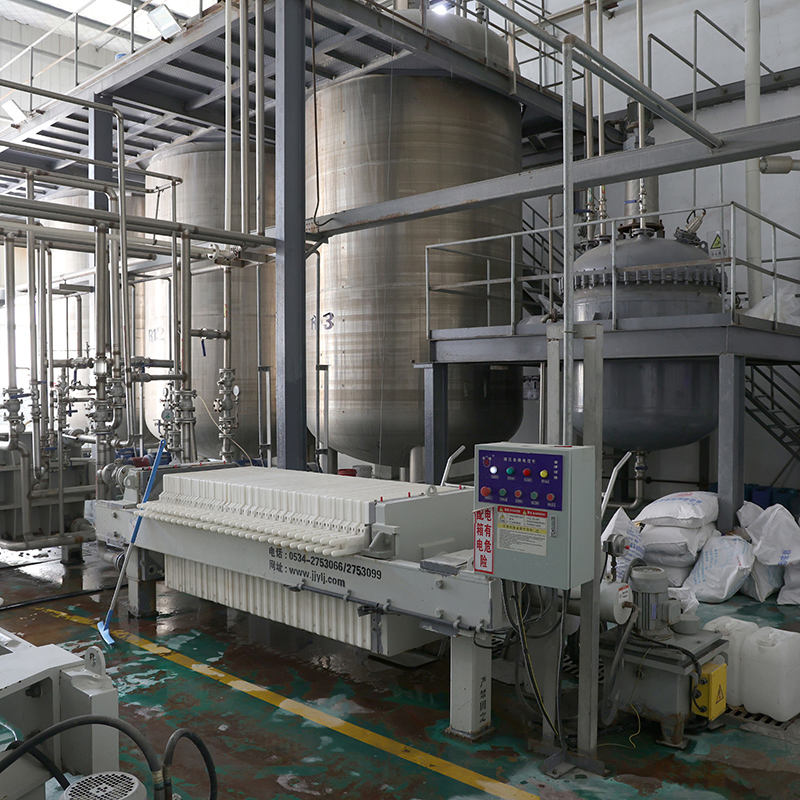
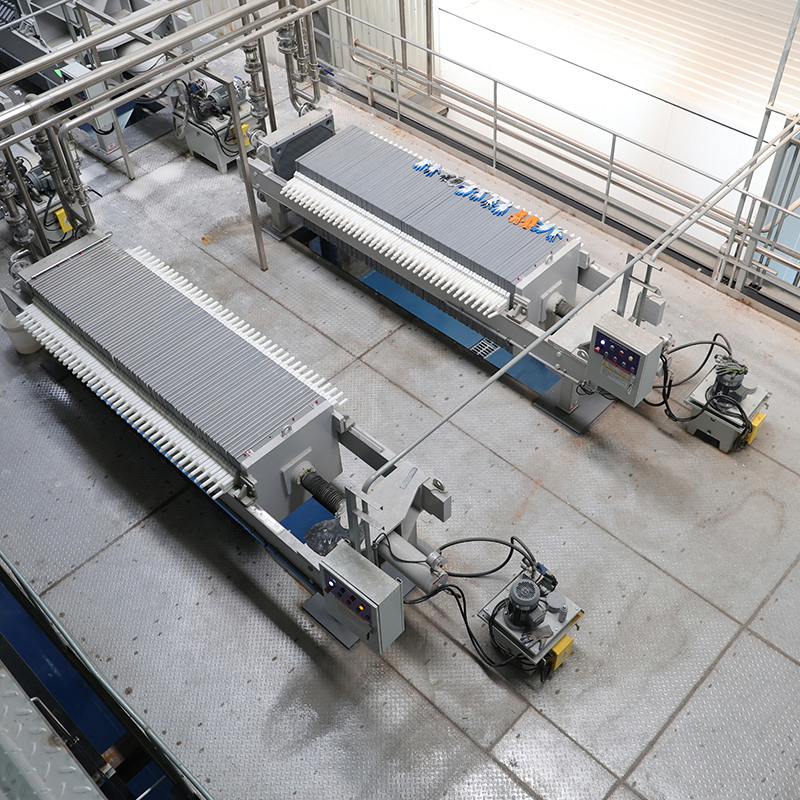
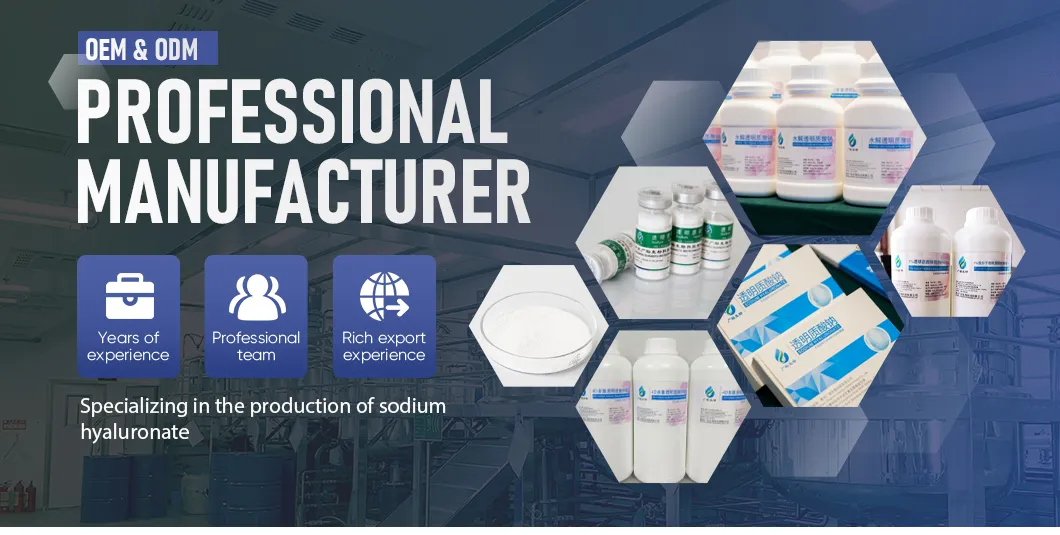
A high-tech biotechnology enterprise specializing in the production of sodium hyaluronate. With an annual production capacity of 100 tons, the enterprise boasts an advanced R&D center and has obtained ISO9001 and ISO14001 quality and environmental management system certifications, as well as HACCP certification. It operates a Class 100,000 GMP production workshop equipped with state-of-the-art facilities. Adhering to the principle of "quality first, reputation foremost," the enterprise drives innovation, serves the market, and pursues comprehensive development. The core products include food-grade and cosmetic-grade sodium hyaluronate, offering a full spectrum of molecular weight ranges (20-23 million) to meet diverse customer needs.